Building a Personal Wiki: What I Set Up and What I Changed
Setting up a personal wiki takes five minutes; maintaining it has no end. Keep originals, summaries, and topics apart, keep one entry point for rules, isolate drafts, and check content as well as files.
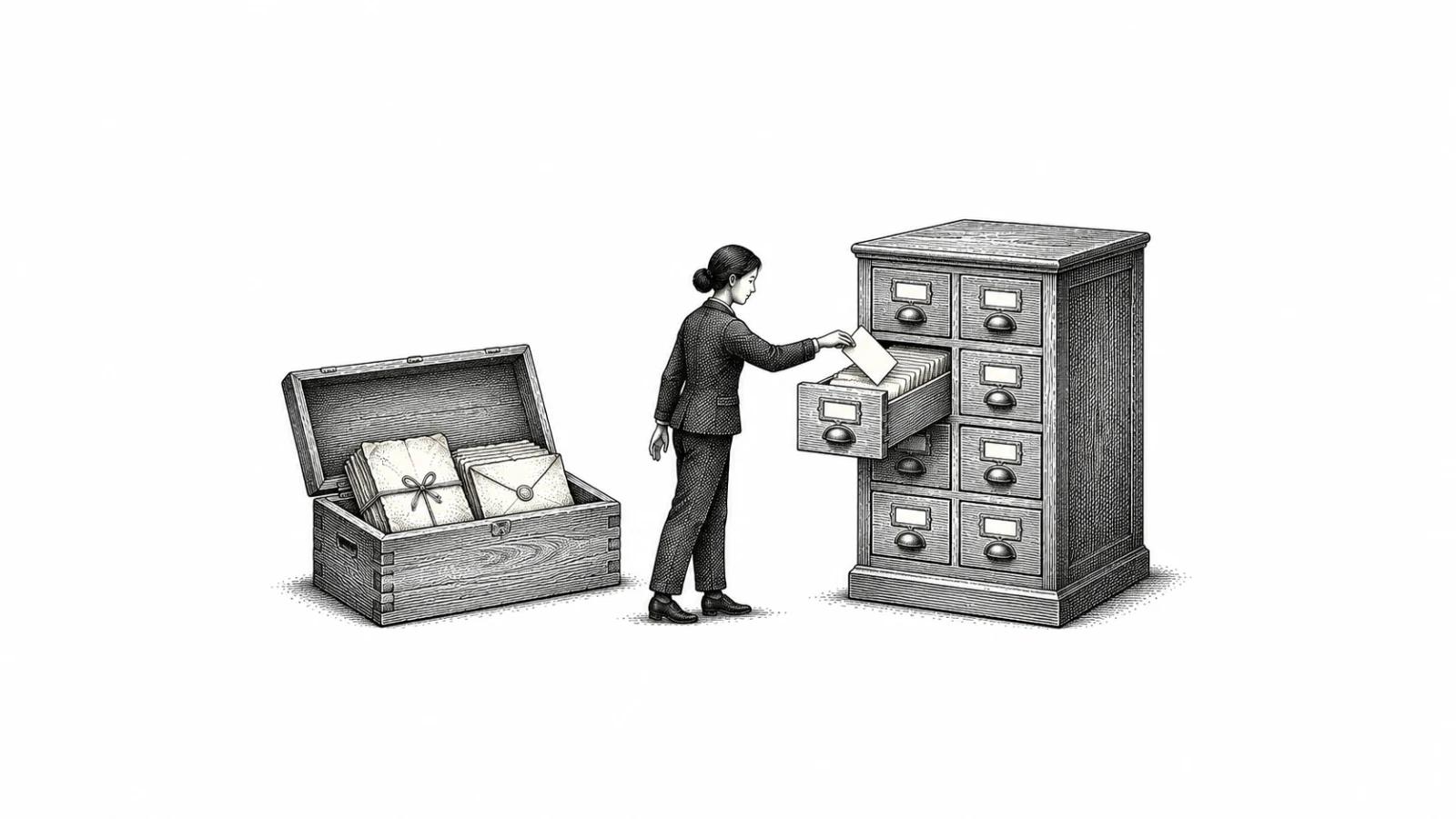
I set up a local personal wiki over the past couple of days. Building it really takes five minutes. Maintaining it has no time limit.
I gave Karpathy's LLM Wiki document to Codex, had it read it, and asked it to build a simple personal wiki in the current project. My last line was: be clean and easy.
Once I started using it, the real questions were how material turns into knowledge, what can be changed, and what should be left alone.
01. Keep originals, summaries, and topics apart
I store content as local Markdown and reuse the project's Obsidian config. The structure came first:
AGENTS.md          curation rules
wiki/
  raw/             original material
  sources/         source summaries
  concepts/        topic pages
  satori/          my finished articles and later revisions
    draft/         drafts
  index.md         knowledge index
  log.md           operation history
The first three layers matter most.
raw keeps the original text. Once archived it is never rewritten; revisions are saved separately. sources records what a piece says, where it came from, and its limits. concepts collects what I understand about a topic and keeps updating as new material arrives.
For example, after reading a prompting guide, I keep a summary and also fold the useful parts into the "prompt design" topic. Next time I ask a related question, I start from that organized understanding instead of from scratch.
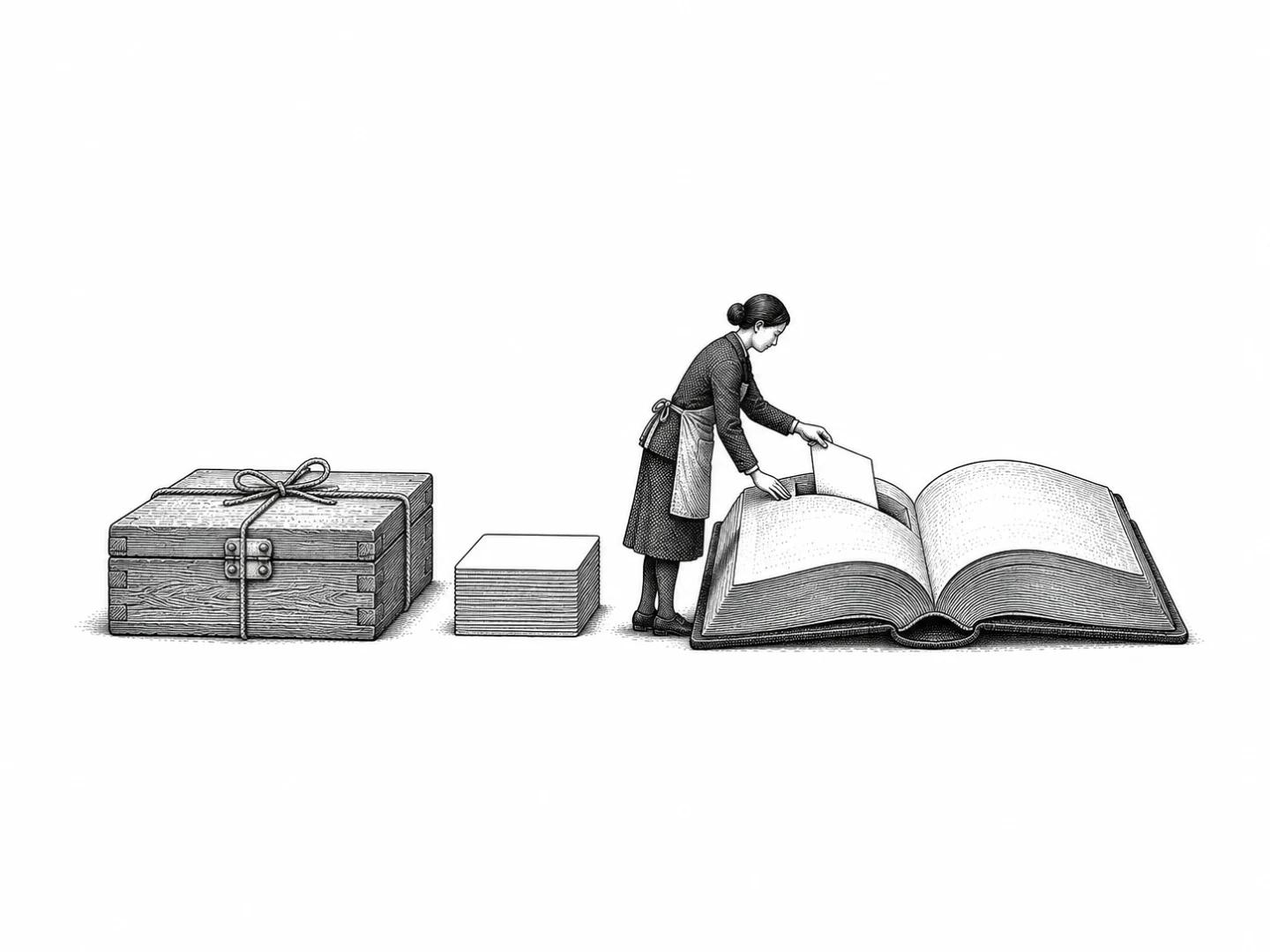
I choose the material, ask the questions, and judge what's valuable. The agent reads, organizes, links, and checks.
02. Write the curation process into a single rules entry
At first the agent created a README, an index, and a rules file, with usage notes in several places. I deleted the duplicate entry points and kept only three: AGENTS.md for rules, index.md for navigation, log.md for history.
Every curation run follows six steps:
- Set the scope and exclude the drafts area.
- List material not yet ingested and dedupe by source and content.
- Read the original in full, archive it, and write a source summary.
- Update related topics and check old descriptions and conflicts.
- Update the index and append to the operation log.
- Check links, source mapping, and whether conclusions are accurate.
Step four is the easiest to miss. The first time it processed a prompting guide, the agent also updated an old page that said "there is only one source so far." When new material comes in, existing understanding has to be updated too.
If a topic already exists, merge into it. There's no need to create a new category for every article. Each page appears in the index exactly once, with one line describing it, so it's easy to find later.
03. Keep two versions of original articles, isolate drafts
I started by ingesting three of my own articles, including existing Markdown drafts and selected notes from a flomo export, all attributed to @satori.
The original snapshot goes into raw; the editable full text goes into satori. Future edits happen on the working version. When a revision is formally ingested, a new snapshot is saved and the old one stays, so I can trace how my views changed.
Drafts live in satori/draft, and that whole directory is excluded from curation: not read, not summarized, not distilled into concepts, not indexed.
Words in a draft are still being tested. They shouldn't be quietly turned into "my views." Only when I explicitly say a piece is final does it leave the drafts area and go through the normal process.
04. Check content as well as files
Links work, originals are untouched, nothing is missing from the index. All of that needs checking. But a source link that opens doesn't mean the summary is right.
I have the agent separate the author's experience, my own account, and inferences across sources. If it couldn't get the full text, didn't read a remote attachment, or didn't verify time-sensitive information, it leaves an explicit to-verify note.
For example, if it read a local article but didn't watch the embedded video, the video can't count as read. When the wiki shows what it doesn't know yet, I know where to fill in later.

05. Get it working first, then automate
Once the process was settled, I set up an automation that runs at 20:00 Beijing time every day and processes new material according to the SOP. If nothing changed it stays quiet; it only notifies me when there are results or problems to handle.
I ran it once right away. It processed 7 pieces of new material and added 7 source pages and 3 topic pages. Two pieces, one about games and one about video production, were merged into a single media creation topic.
Daily instructions are now very short:
Add this article to the wiki.
Tidy up the wiki.
Save this conclusion to the wiki.
The rules are already spelled out. I only need to state the goal, and AGENTS.md takes care of the details.
How much time it saves in the long run, I'll only know by using it. My expectation right now is concrete: the next time I hit the same question, I can pick up where I left off.